Introduction
Private label specialty foods have actually obtained tremendous appeal in the last few years. With customers seeking unique and customized food options, private label food products have actually ended up being a best choice for numerous. In this short article, we will certainly look into the intricate procedure of private label food production, checking out the actions involved and the key players in the industry.
The Rise of Private Label Food Manufacturers in Australia
Australia has actually seen a significant surge secretive label food producers. With consumers ending up being a lot more mindful concerning their nutritional preferences and requiring premium items, private label food manufacturing has emerged as a profitable organization opportunity. These makers satisfy numerous segments, including exclusive tag cheese, junk food manufacturers, and more.
Understanding Private Label Food Manufacturing
Private tag food manufacturing involves producing and generating food products for retailers or businesses who then market these items under their very own trademark name. This process permits sellers to provide special offerings to their clients without investing greatly in research and development or manufacturing infrastructure.
Key Steps Associated with Private Label Food Manufacturing
Step 1: Product Advancement and Customization
Private tag food manufacturers work closely with retailers to comprehend their requirements and establish tailored items. This action includes brainstorming sessions, Organic food challenges Australia marketing research, and dish formulation. Private label specialty foods are developed to cater to specific customer preferences and nutritional needs.
Step 2: Sourcing Ingredients
Once the item specifications are wrapped up, private label food makers resource high-quality ingredients from trusted providers. They make certain that all ingredients fulfill rigid high quality criteria and follow regulations established by pertinent authorities.
Step 3: Manufacturing and Packaging
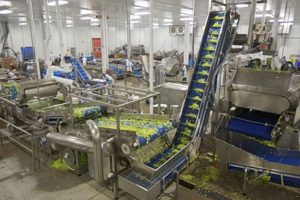
After procuring the ingredients, private label food manufacturing starts. The production facilities make use of advanced equipment and follow rigorous hygiene methods to produce secure and scrumptious food products. Product packaging is also an integral part of this step, ensuring that the item stays fresh while appealing to consumers.

Step 4: Quality Control and Testing
Private tag food makers conduct strenuous quality assurance checks at every stage of the production procedure. This consists of testing the active ingredients, checking assembly line, and carrying out sensory assessments. These actions ensure that the end product satisfies the best quality standards.
Step 5: Identifying and Compliance
Once the items are produced and top quality examined, private label food makers take care of labeling and conformity. They make sure that all info on the product labels is accurate and complies with regulatory standards. This action is crucial to provide customers with clear info regarding the product's contents and dietary values.
Advantages of Private Label Food Manufacturing
Private tag food production provides several benefits for both sellers and customers. Allow's explore a few of these benefits:
Customization: Retailers have the freedom to develop distinct products tailored to their target audience, allowing them to distinguish themselves from competitors.
Cost-effectiveness: Private label food suppliers offer cost-effective remedies by getting rid of the requirement for sellers to invest in study, growth, and production infrastructure.
Control over branding: Retailers can build their brand photo by advertising and marketing exclusive tag foods under their very own name. This allows them to establish count on and loyalty among consumers.
Flexibility: Private label food production gives sellers with adaptability in terms of item offerings. They can conveniently adapt to transforming customer patterns and preferences.
Higher earnings margins: With minimized manufacturing costs, merchants can appreciate higher earnings margins on private label foodstuff compared to branded alternatives.
Quality assurance: Private label food makers focus on quality control actions, guaranteeing that sellers obtain consistent and high-quality items for their customers.
FAQs regarding Private Label Food Manufacturing
Q1: What is the function of private label food manufacturers?
A1: Private label food makers play a crucial role in producing customized foodstuff for sellers or businesses who market them under their own brand name name.
Q2: Just how does private label food production advantage retailers?
A2: Private label food manufacturing permits merchants to supply distinct products, build their brand image, and enjoy higher earnings margins contrasted to branded alternatives.
Q3: Can private label food manufacturers deal with certain nutritional preferences?
A3: Yes, private label food manufacturers can establish items tailored to certain dietary demands and choices, including gluten-free, vegan, or organic options.
Q4: Are there any type of policies regulating private label food manufacturing?
A4: Yes, private label food makers have to abide by regulations established by pertinent authorities relating to component sourcing, labeling, and high quality control.
Q5: Can private label food producers take care of massive production?
A5: Yes, private label food manufacturers have the abilities to take care of both small-scale and massive production based upon the merchant's requirements.
Q6: How can retailers guarantee the high quality of private label food products?
A6: Stores must team up with trustworthy private label food producers who prioritize rigorous quality control actions and have a performance history of delivering remarkable products.
Conclusion
Private tag food production uses a world of opportunities for sellers wanting to offer distinct and individualized offerings to their clients. With a streamlined procedure including item development, component sourcing, production, product packaging, and quality assurance, private label specialized foods have gained tremendous popularity. By partnering with reliable private label food manufacturers in Australia or any type of other region, stores can develop their brand identification while delighting in cost-effectiveness and adaptability in their product offerings. So why wait? Study the interesting world of private label foods today!